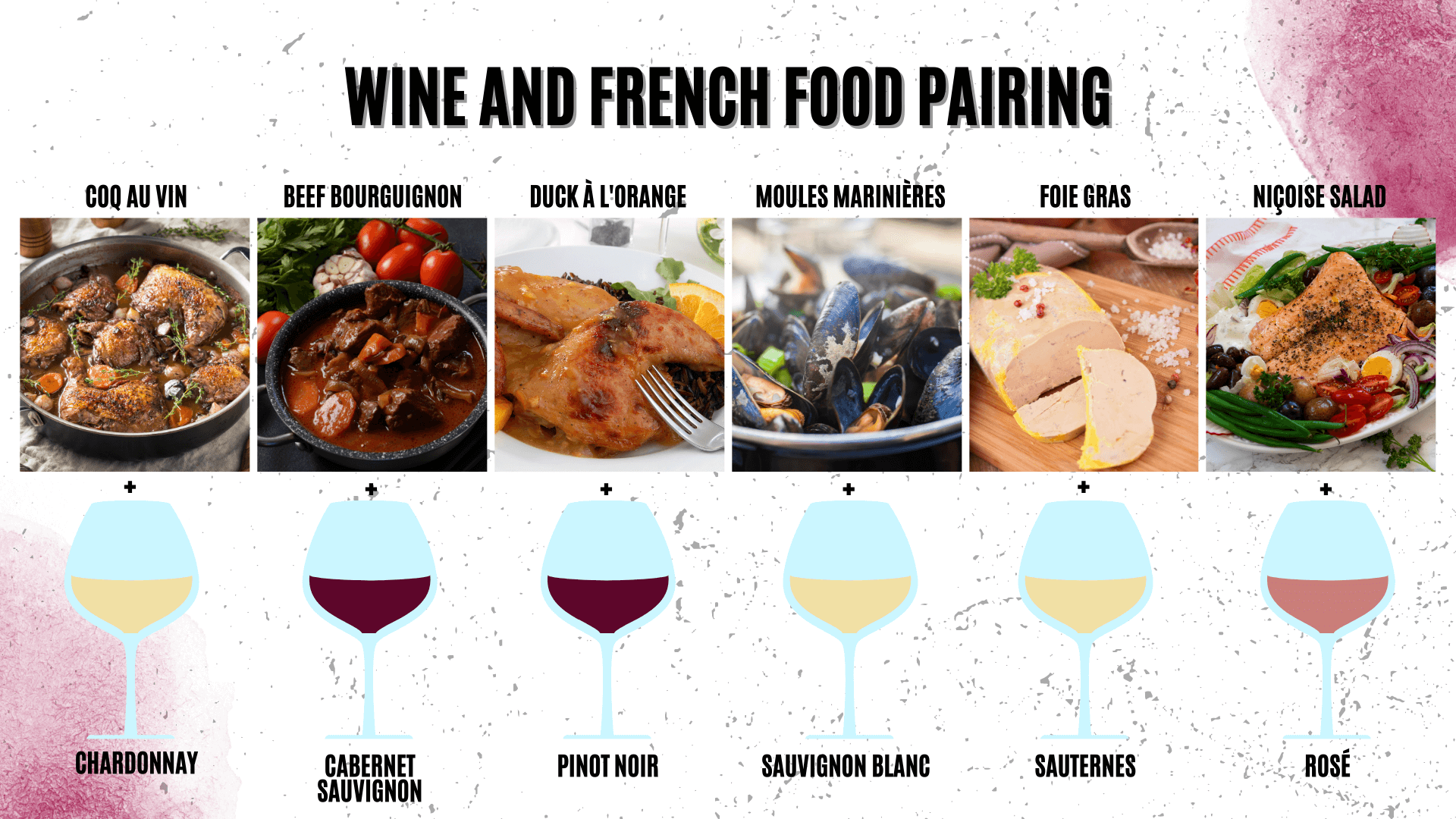
The world of wine is vast and complex, offering a delightful journey for both the palate and the senses. Planning a memorable wine tasting experience requires more than just selecting a few bottles; it demands a thoughtfully crafted menu that complements the wines and enhances the overall experience. That's where a well-designed Wine Tasting Menu Template comes into play. This template provides a framework for creating a cohesive and enjoyable tasting experience, ensuring that each course is perfectly balanced and leaves a lasting impression. Wine Tasting Menu Template is more than just a list; it's a strategic tool for elevating your wine tasting event. It's about creating a narrative, a progression of flavors, and a shared appreciation for the nuances of each wine. This guide will walk you through creating a template that will help you deliver a truly exceptional tasting experience.
Understanding the Core Principles
Before diving into the specifics of the template, it's crucial to understand the underlying principles that make a successful wine tasting menu. The key is to consider the following:

- Wine Selection: The foundation of any excellent tasting menu is the quality of the wines. Choose wines that harmonize well with each other and with the food you'll be serving.
- Food Pairing: Food and wine don't always have to be a match made in heaven. Understanding complementary flavors – sweet, sour, spicy, earthy – is essential for creating a balanced and enjoyable experience.
- Balance: A successful tasting menu is one that's carefully balanced. This means considering acidity, tannins, sweetness, and body when selecting each course.
- Sequence: The order in which you present the courses is just as important as the individual wines themselves. Consider how the flavors will evolve as you move through the tasting.
The Wine Tasting Menu Template – A Step-by-Step Guide
Let's break down the template into manageable sections. This structure allows for flexibility and customization to suit your specific event.
Section 1: Introduction – Setting the Stage
The introduction is your opportunity to immediately capture the attention of your guests and establish the tone for the tasting. It should be concise and engaging, highlighting the value of a well-planned wine tasting.
Introduction Paragraph:
"Planning a truly memorable wine tasting experience requires more than just selecting a few bottles. It's about creating a cohesive and enjoyable journey for both the palate and the senses. A thoughtfully designed Wine Tasting Menu Template provides a framework for achieving this, offering a structured approach to pairing wines with complementary food. This guide will walk you through creating a template that will ensure a seamless and delightful experience, allowing you to showcase the artistry of wine and the deliciousness of food." Wine Tasting Menu Template is a powerful tool for elevating your event. It's about more than just tasting; it's about creating a shared appreciation for the complexities of wine.
Section 2: Course 1 – The Amuse – A Gentle Introduction
The amuse course is designed to awaken the palate and introduce guests to the flavors of the tasting. It's a light, palate-cleansing element that sets the stage for the rest of the meal.
Subheading: Amuse Course – A Gentle Introduction
Description: The amuse course typically consists of a small, delicate bite – often a fruit preserve, a small cheese, or a spoonful of pâté. It's meant to be a brief introduction to the flavors to come.
Suggested Wines: A crisp, dry white wine like Sauvignon Blanc or Pinot Grigio is often a good choice for an amuse course. The acidity will cut through the richness of the food, while the fruit flavors will complement the palate. Alternatively, a light-bodied rosé could also work well.
Food Pairing Notes: Pair with a light, fresh appetizer like cucumber and cream cheese, or a small oyster.
Section 3: Course 2 – The Appetizer – Building Flavors
The appetizer course is designed to stimulate appetite and provide a foundation for the meal. It should be flavorful and offer a variety of textures and tastes.
Subheading: Appetizer – Building Flavors
Description: The appetizer should be a substantial bite that offers a range of flavors and textures. It's a chance to introduce guests to different styles of wine and food pairings.
Suggested Wines: A medium-bodied red wine like Pinot Noir or Beaujolais is a classic choice for an appetizer. A crisp white wine like Vermentino or Albariño would also be excellent. Consider a sparkling wine for a celebratory touch.
Food Pairing Notes: Pair with a cheese, such as brie, goat cheese, or cheddar, or with a vegetable-based dish like roasted asparagus or artichoke hearts. A light, flavorful seafood dish would also be a great pairing.
Section 4: Course 3 – The Main Course – The Heart of the Experience
The main course is the centerpiece of the tasting, offering a substantial and satisfying experience.
Subheading: Main Course – The Heart of the Experience
Description: The main course should be a carefully selected dish that complements the wines being served. It should be rich, flavorful, and offer a balance of textures and tastes.
Suggested Wines: A full-bodied red wine like Cabernet Sauvignon or Merlot is often a good choice for a main course. A Chardonnay with oak aging can also be a fantastic pairing, especially with richer dishes. A lighter-bodied white wine like Chardonnay or Pinot Grigio could also work well.
Food Pairing Notes: Pair with a hearty vegetable dish, such as roasted root vegetables or a creamy pasta sauce. Consider a rich, savory meat dish, such as braised short ribs or a roasted chicken.
Section 5: Course 4 – The Side Dish – Supporting the Main
The side dish provides a complementary element to the main course, enhancing the overall dining experience.
Subheading: Side Dish – Supporting the Main
Description: The side dish should be simple, flavorful, and complement the main course without overpowering it.
Suggested Wines: A light-bodied white wine like Sauvignon Blanc or Pinot Grigio is often a good choice for a side dish. A light-bodied red wine like Pinot Noir could also work well.
Food Pairing Notes: Pair with a simple vegetable dish, such as steamed green beans or roasted potatoes.
Section 6: Course 5 – Dessert – Sweet Conclusion
The dessert course is designed to provide a sweet and satisfying conclusion to the tasting.
Subheading: Dessert – Sweet Conclusion
Description: The dessert should be a light and refreshing palate cleanser, complementing the flavors of the wine.
Suggested Wines: A dessert wine like Sauternes or Moscato d'Asti is a classic choice for a dessert. A lighter-bodied dessert wine like Riesling or Gewürztraminer could also be a good option.
Food Pairing Notes: Pair with a fruit-based dessert, such as a fruit tart or a chocolate mousse.
Section 7: Wine Selection Considerations
Selecting the right wines is paramount to a successful tasting menu. Consider these factors:
- Variety: Offer a diverse range of wines – different grape varieties, regions, and styles.
- Price Point: Set a budget for each course and choose wines that fit within that range.
- Availability: Ensure that the wines you choose are readily available to your guests.
- Personal Preferences: Consider your guests' preferences when selecting wines.
Conclusion – A Harmonious Experience
A well-designed Wine Tasting Menu Template is more than just a list of wines; it's a carefully crafted experience that engages all the senses. By considering the principles outlined in this guide, you can create a memorable and enjoyable event that celebrates the art of wine and the beauty of food. The key is to think about the flow of flavors, the balance of textures, and the overall narrative you want to create. A thoughtfully planned tasting menu is an investment in a truly exceptional evening. Remember, the goal is to enhance the experience, not just to serve wine. By focusing on these elements, you can transform a simple wine tasting into a truly unforgettable event. Wine Tasting Menu Template is a valuable tool for achieving this.
Additional Resources
- [Link to a reputable wine pairing guide]
- [Link to a blog post on wine tasting etiquette]
- [Link to a resource for selecting wine pairings]
0 Response to "Wine Tasting Menu Template"
Posting Komentar