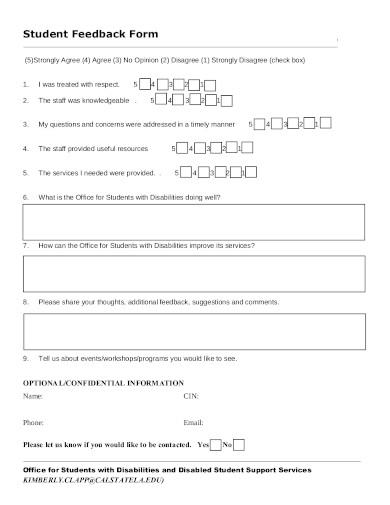
The process of gathering student feedback is crucial for educational institutions to understand their students' experiences, identify areas for improvement, and ultimately enhance the learning environment. A well-designed student feedback form can provide valuable insights, leading to more effective teaching and curriculum development. This article will explore the importance of student feedback forms, different types available, and how to create a template that effectively captures the data you need. At the heart of this discussion lies the need for a readily available and easily usable template – a Student Feedback Form Template Word. This allows educators to streamline the collection process, analyze data efficiently, and translate insights into actionable changes. Let's delve into the specifics of creating and utilizing this essential tool.
Why is Student Feedback Important?
The benefits of collecting student feedback extend far beyond simply satisfying a requirement. It's a direct line to understanding what's working, what's not, and where students feel they need support. Student feedback is a vital source of information that can inform pedagogical strategies, improve course design, and enhance the overall student experience. Without it, institutions risk making assumptions based on limited data, potentially leading to ineffective interventions. Furthermore, actively soliciting and responding to student feedback demonstrates a commitment to their success, fostering a sense of ownership and encouraging continued engagement. Ignoring student voices can lead to feelings of isolation and disengagement, ultimately impacting student performance. A robust system of feedback collection is a cornerstone of a positive and supportive educational environment.

Types of Student Feedback Forms
There's a wide variety of student feedback forms available, each designed to address specific needs and objectives. Choosing the right type depends on the purpose of the feedback and the level of detail required. Here are a few common types:
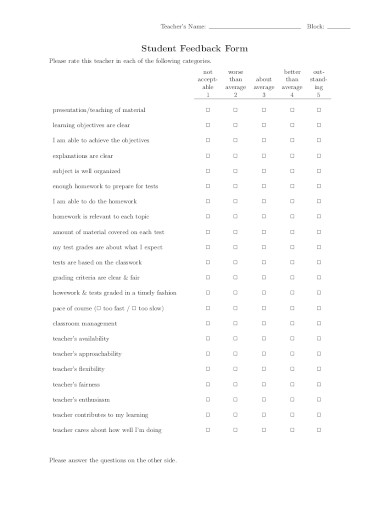
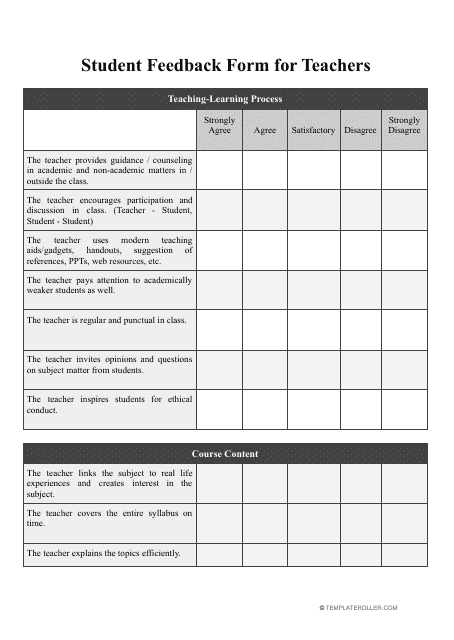
- Standard Feedback Forms: These are the most basic forms, typically consisting of a series of multiple-choice questions and rating scales. They're suitable for gathering broad data on topics like course satisfaction, teaching effectiveness, and learning outcomes.
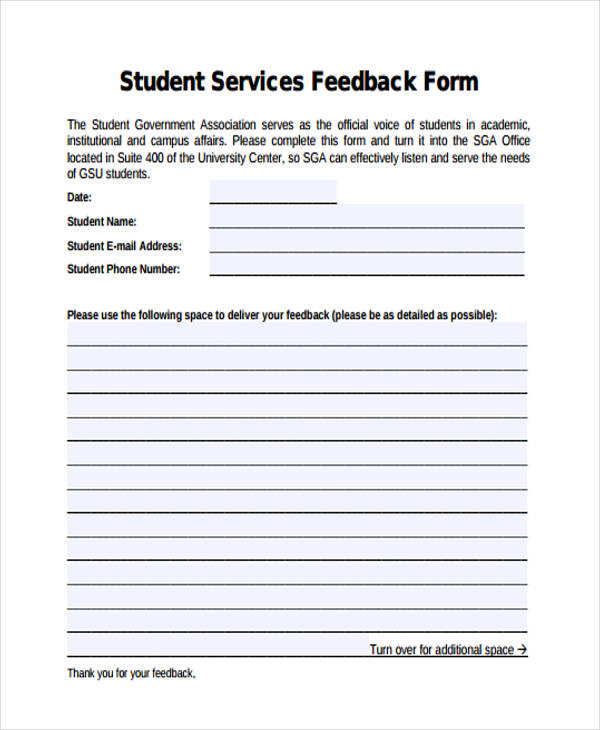
- Open-Ended Questions: These allow students to provide detailed, narrative responses. They're invaluable for uncovering deeper insights and understanding the "why" behind student opinions. Examples include "What are your thoughts on the course content?" or "How could we improve the teaching methods?"
- Surveys: These are often used to collect quantitative data from a larger group of students. They can be administered online or via paper. Surveys are particularly useful for measuring attitudes, perceptions, and behaviors.
- Focus Groups: These structured discussions with small groups of students allow for more in-depth exploration of specific topics. They're excellent for gaining qualitative insights and understanding nuanced perspectives.
- Online Polls: These are quick and easy ways to gather opinions on specific questions. They're often used to gauge student interest in new courses or initiatives.
Creating a Student Feedback Form Template Word – A Step-by-Step Guide
Developing a successful student feedback form template requires careful planning and consideration. Here's a breakdown of the key steps:
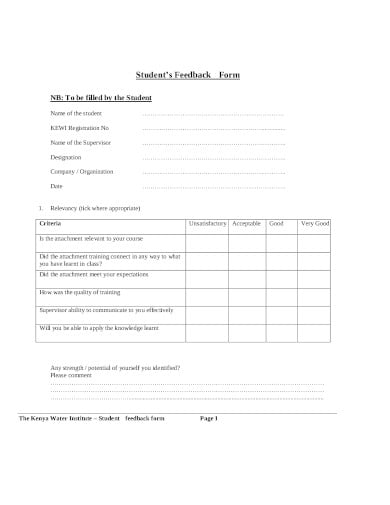
- Define Your Objectives: Clearly articulate what you want to learn from the feedback. What specific questions will you ask? What data points are most important to you?
- Choose Question Types: Select the appropriate question types based on your objectives. A mix of multiple-choice, rating scales, and open-ended questions is often the most effective.
- Develop Clear and Concise Questions: Avoid jargon and ambiguous language. Questions should be easy to understand and answer. Pilot test your questions with a small group of students to identify any potential issues.
- Design the Form Layout: Keep the form clean and easy to navigate. Use clear headings and labels. Ensure sufficient white space to prevent the form from feeling cluttered.
- Select a Template: Utilize a pre-designed template to save time and ensure consistency. Many free and paid templates are available online. Ensure the template is compatible with your preferred document editing software (e.g., Microsoft Word, Google Docs). Crucially, ensure the template is compatible with Word (.docx).
- Include Instructions: Provide clear instructions on how to complete the form. This will help students understand the purpose of the feedback and ensure they provide thoughtful responses.
Utilizing the Template – Practical Examples
Let's look at a few examples of how to effectively utilize the template:
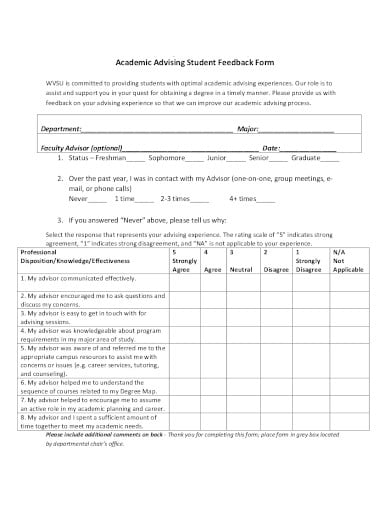
- Example 1: Course Satisfaction Survey – A standard survey with questions like "Overall, how satisfied were you with the course?" (rating scale), "How would you rate the instructor's teaching style?" (multiple choice), and "What aspects of the course did you find most valuable?" (open-ended).
- Example 2: Learning Experience Feedback – A survey focusing on the student's experience with the learning materials, the course structure, and the overall learning process. Questions could include "How easy was it to find the information you needed?" (rating scale), "What could be improved about the course syllabus?" (open-ended), and "Did you feel supported throughout the course?" (multiple choice).
- Example 3: Student Support Request Form – A form specifically designed to collect information about student support needs, such as technical issues, academic advising, or mental health resources. This would include questions about the level of assistance needed and the type of support requested.
Analyzing Student Feedback – Key Metrics
Once you've collected the feedback, it's essential to analyze the data to identify trends and patterns. Here are some key metrics to consider:
- Overall Satisfaction Scores: Calculate the average satisfaction score across all feedback.
- Sentiment Analysis: Use sentiment analysis tools to gauge the emotional tone of the feedback (positive, negative, neutral).
- Topic Analysis: Categorize feedback based on recurring themes and topics.
- Percentage Distribution: Determine the percentage of students who respond to each question.
- Open-Ended Response Analysis: Identify the most frequently mentioned themes and concerns in the open-ended responses.
Best Practices for Effective Student Feedback
To maximize the value of your student feedback, consider these best practices:
- Keep it Short: Respect students' time by keeping the form concise.
- Be Specific: Avoid vague questions that don't provide meaningful insights.
- Offer Incentives (Optional): Consider offering small incentives for completing the form (e.g., a chance to win a gift card).
- Anonymize Data (When Appropriate): Protect student privacy by anonymizing the data whenever possible.
- Respond to Feedback: Demonstrate that you're taking student feedback seriously by responding to comments and addressing concerns.
- Regularly Review and Update: Periodically review and update your student feedback forms to ensure they remain relevant and effective.
Conclusion
Student feedback is a vital component of a successful educational institution. By implementing a well-designed student feedback form template word, educators can gain valuable insights into student experiences, identify areas for improvement, and ultimately enhance the learning environment. Remember to prioritize clarity, conciseness, and a thoughtful approach to data collection and analysis. Investing in a robust system of student feedback is an investment in the future success of your students and your institution. A thoughtfully crafted Student Feedback Form Template Word is more than just a tool; it's a pathway to continuous improvement.

0 Response to "Student Feedback Form Template Word"
Posting Komentar