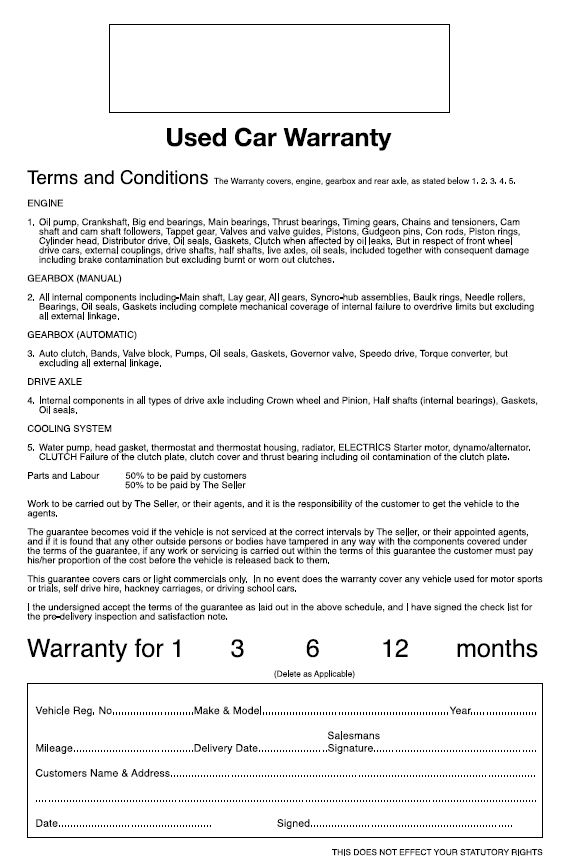
Ensuring peace of mind is paramount when purchasing a vehicle. A comprehensive car warranty agreement provides crucial protection against unexpected repair costs, offering reassurance and financial security. This article will guide you through the essential components of a car warranty agreement template, helping you understand what to include and how to protect your investment. Car Warranty Agreement Template – understanding its nuances is vital for any prospective buyer or owner. A well-structured warranty agreement can significantly reduce the financial burden associated with vehicle repairs, fostering a more positive and reliable ownership experience. It's more than just a document; it's a contract designed to protect both the vehicle owner and the manufacturer.
Understanding the Importance of a Car Warranty
The benefits of a car warranty extend far beyond simply covering repair costs. A robust warranty demonstrates a manufacturer's commitment to vehicle quality and customer satisfaction. It signals that they prioritize long-term reliability and offers a level of protection against common mechanical issues. Furthermore, many warranties include provisions for extended coverage, such as roadside assistance and maintenance services, adding significant value to the overall ownership experience. Without a warranty, potential buyers are often hesitant to purchase a vehicle, fearing unexpected repair bills that could significantly impact their budget. A clear and comprehensive warranty agreement removes this uncertainty and fosters confidence in the vehicle's longevity. It's a crucial element in the decision-making process for many car buyers.

Key Components of a Car Warranty Agreement Template
A comprehensive car warranty agreement typically includes several key sections. Let's break down the essential elements:

Defining Coverage Scope
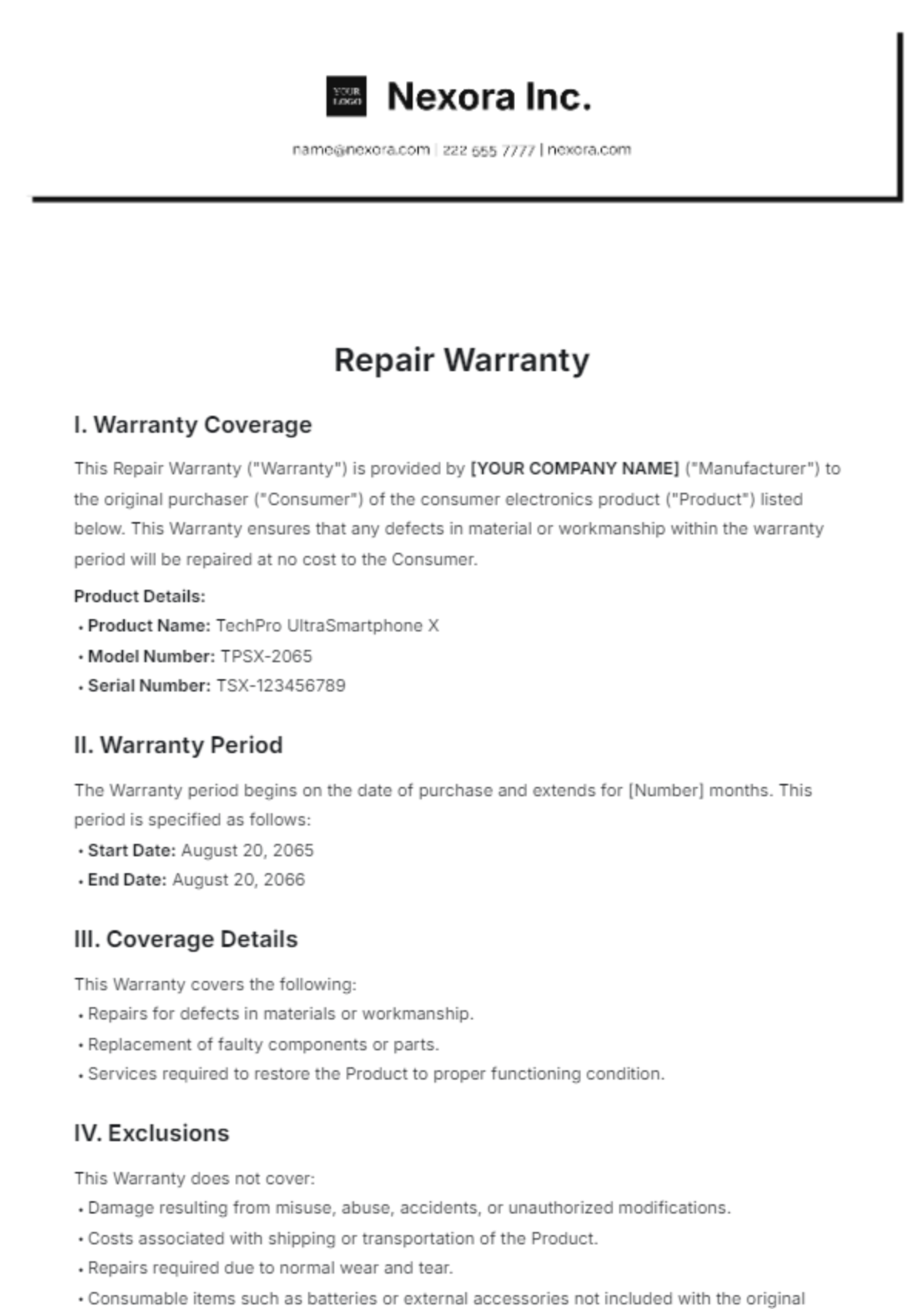
The first and most crucial section is the definition of coverage. This section clearly outlines what is covered under the warranty. It's vital to specify the types of repairs covered, such as mechanical, electrical, and powertrain issues. Commonly, a warranty will cover parts and labor, but it's important to understand the limitations. For example, some warranties may exclude certain repairs, such as damage caused by accidents or misuse. A detailed list of covered components is essential for transparency and clarity. Car Warranty Agreement Template – paying close attention to this section is fundamental to understanding the scope of the protection offered. It's often divided into different categories, such as "Engine," "Transmission," "Brakes," and "Electrical Systems."
Coverage Duration
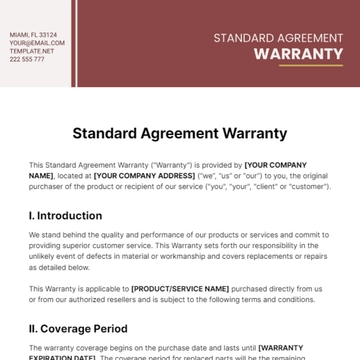
The warranty period is a critical factor in determining the value of the agreement. Most warranties offer coverage for a specific period, typically 3 years or 5 years. However, some warranties may extend coverage for longer, such as 10 years or even 12 years. It's important to carefully review the terms and conditions to understand the length of coverage and any potential extensions. Consider whether you need a longer warranty to adequately protect your investment, especially for high-performance vehicles or those with complex systems. The duration should align with the vehicle's age and the expected lifespan of its components.

Exclusions – What's Not Covered
Just as important as what is covered is what is not covered. Exclusions are crucial to avoid misunderstandings and potential disputes. Common exclusions include: Car Warranty Agreement Template – frequently, this includes damage caused by improper maintenance, accidents, or misuse. Some warranties may also exclude certain accessories, such as aftermarket parts or modifications. It's vital to read the exclusions carefully to understand the limitations of the coverage. The manufacturer's policy will outline specific exclusions, so it's essential to familiarize yourself with them. Failure to understand exclusions can lead to unexpected claims and disputes.
Deductible Amounts
Many warranties include a deductible, which is the amount the vehicle owner must pay before the manufacturer is responsible for repairs. The deductible amount is typically a percentage of the repair cost. A higher deductible generally results in a lower premium, but it also means the vehicle owner bears a greater financial burden in the event of a claim. The deductible amount should be reasonable and aligned with the cost of repairs. It's important to understand the terms of the deductible and how it will be applied. Some warranties offer a fixed deductible amount, while others may have a percentage-based deductible.
Labor Coverage – What's Included?
Labor coverage is a significant aspect of many warranties. It specifies the scope of services covered during the warranty period. Typically, this includes routine maintenance, such as oil changes and tire rotations. However, it may also include repairs for certain types of mechanical issues, such as brake repairs or transmission problems. Some warranties offer extended labor coverage, which provides coverage for additional repairs beyond the standard maintenance schedule. Clarify exactly what labor services are covered and what is not. Car Warranty Agreement Template – understanding the details of labor coverage is vital for managing repair costs effectively.
Diagnostic Fees – What's Covered?
Diagnostic fees are charges incurred by the vehicle owner to determine the cause of a repair. These fees are often separate from the repair cost and are typically billed by the manufacturer. The warranty agreement should clearly define the diagnostic fee policy, including whether the manufacturer will cover diagnostic fees or whether the owner is responsible for paying them. It's important to understand how diagnostic fees are handled and whether they are covered by the warranty.
Limitations of Warranty – Important Considerations
Beyond the core components, it's crucial to understand the limitations of the warranty. Manufacturers may impose restrictions on the warranty coverage, such as requiring proof of purchase or providing a specific timeframe for claims. Some warranties may also have exclusions for certain types of damage, such as corrosion or wear and tear. Review the warranty carefully to identify any potential limitations and understand your rights and responsibilities. Car Warranty Agreement Template – paying attention to these limitations is essential for protecting your investment.
Maintenance and Inspection Requirements
While a warranty covers repairs, it doesn't guarantee that your vehicle will never require maintenance. Many warranties require that you maintain your vehicle according to the manufacturer's recommended schedule. This typically includes regular oil changes, tire rotations, and other routine services. Failure to comply with these maintenance requirements may void the warranty. Some warranties may also require periodic inspections to ensure the vehicle is in good condition. Regular maintenance is a key factor in maintaining the longevity of your vehicle and can help to extend the warranty coverage.
Claim Procedures – How to File a Claim
If a repair is needed, you'll need to follow a specific claim procedure outlined in the warranty agreement. Typically, you'll need to contact the manufacturer's service center to initiate a claim. The warranty agreement will provide instructions on how to file a claim, including the necessary documentation and deadlines. It's important to keep detailed records of all repair costs and maintenance services. Promptly reporting a claim can help to expedite the repair process and minimize potential disputes. Car Warranty Agreement Template – understanding the claim process is crucial for resolving any issues that may arise.
Conclusion
A well-crafted car warranty agreement is an invaluable tool for protecting your investment and ensuring peace of mind. By understanding the key components, exclusions, and limitations of a warranty, you can make informed decisions about purchasing a vehicle and effectively managing repair costs. Remember to carefully review the agreement before signing it and to maintain your vehicle according to the manufacturer's recommendations. Investing in a comprehensive warranty agreement is a smart move that can significantly reduce the financial burden associated with vehicle repairs and provide lasting protection for your vehicle. Ultimately, a proactive approach to vehicle maintenance and a thorough understanding of warranty terms will contribute to a smoother and more reliable ownership experience.
Conclusion
Ensuring a vehicle's longevity and protecting your investment are paramount when considering a new car purchase. A comprehensive car warranty agreement serves as a critical safeguard, offering protection against unexpected repair costs and fostering confidence in your vehicle's reliability. By understanding the key components, exclusions, and limitations of a warranty, you can make informed decisions and effectively manage repair expenses. Regular maintenance, adherence to manufacturer recommendations, and prompt claim filing are all essential elements in maintaining a warranty and ensuring a long-term, dependable vehicle ownership experience. A proactive approach to vehicle care, coupled with a well-structured warranty agreement, is the key to maximizing vehicle value and minimizing potential financial burdens.
0 Response to "Car Warranty Agreement Template"
Posting Komentar