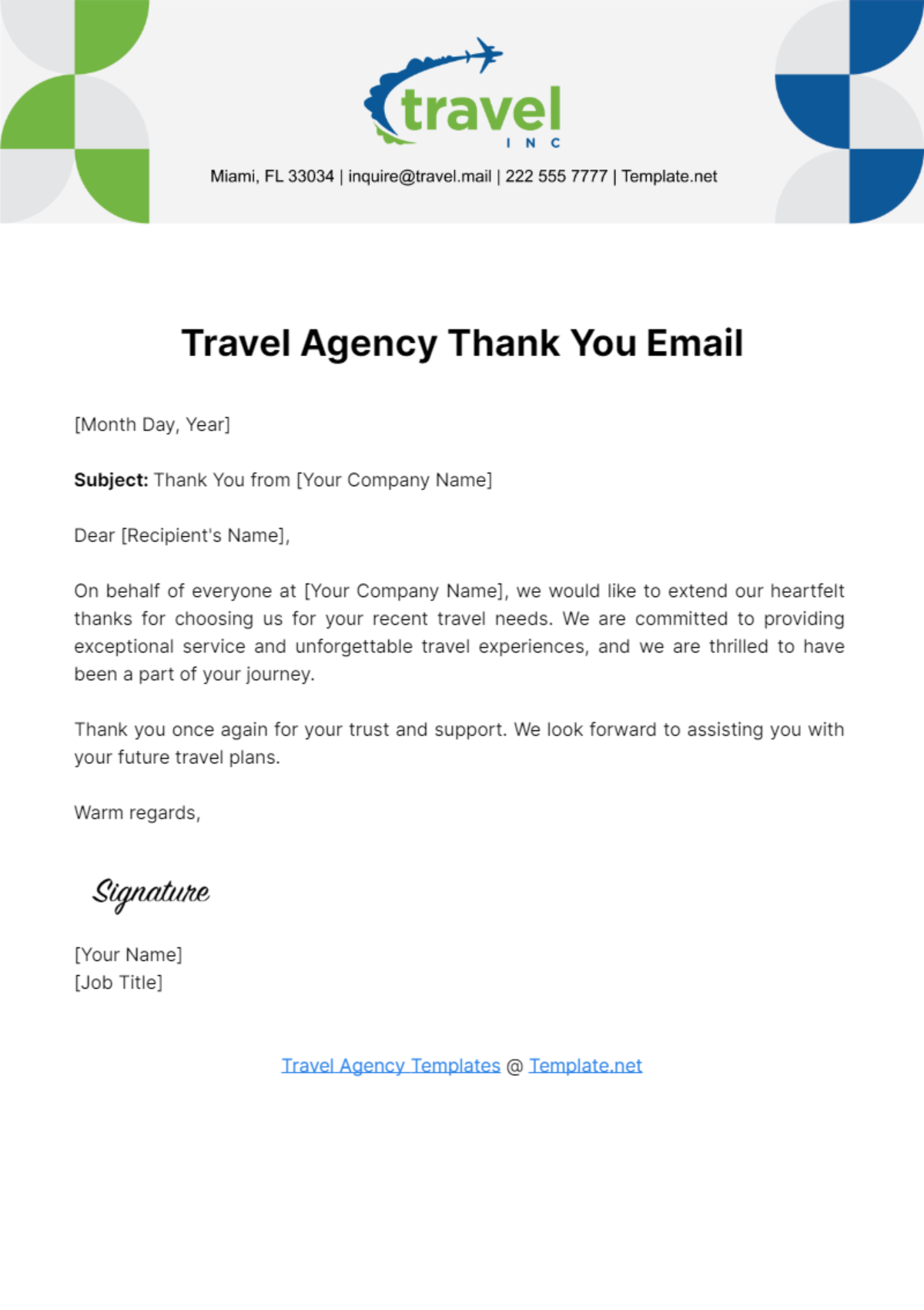
The process of a meeting concludes – a valuable exchange of information and ideas – but often leaves a lingering feeling of uncertainty about follow-up. A well-crafted thank you email isn't just a formality; it's a crucial step in solidifying relationships, reinforcing your commitment, and demonstrating professionalism. This article will delve into the best practices for creating a thank you email template after a meeting, ensuring it's effective and leaves a positive impression. Thank You Email Template After Meeting is more than just a polite note; it's a strategic tool for building rapport and fostering continued collaboration. Let's explore how to craft a template that truly shines.
The importance of a timely and thoughtful thank you email cannot be overstated. It's a simple gesture that can significantly impact how your interactions are perceived, potentially influencing future opportunities and strengthening business relationships. A lack of a thank you email can be interpreted as dismissive, lacking interest, or even a lack of appreciation for the time invested. Conversely, a well-written email demonstrates respect, professionalism, and a genuine desire to maintain a positive connection. It's a fundamental element of effective communication in any professional setting. Consider this: in today's fast-paced world, attention spans are short, and a quick, efficient thank you can make a lasting impression.
The Core Elements of a Successful Thank You Email
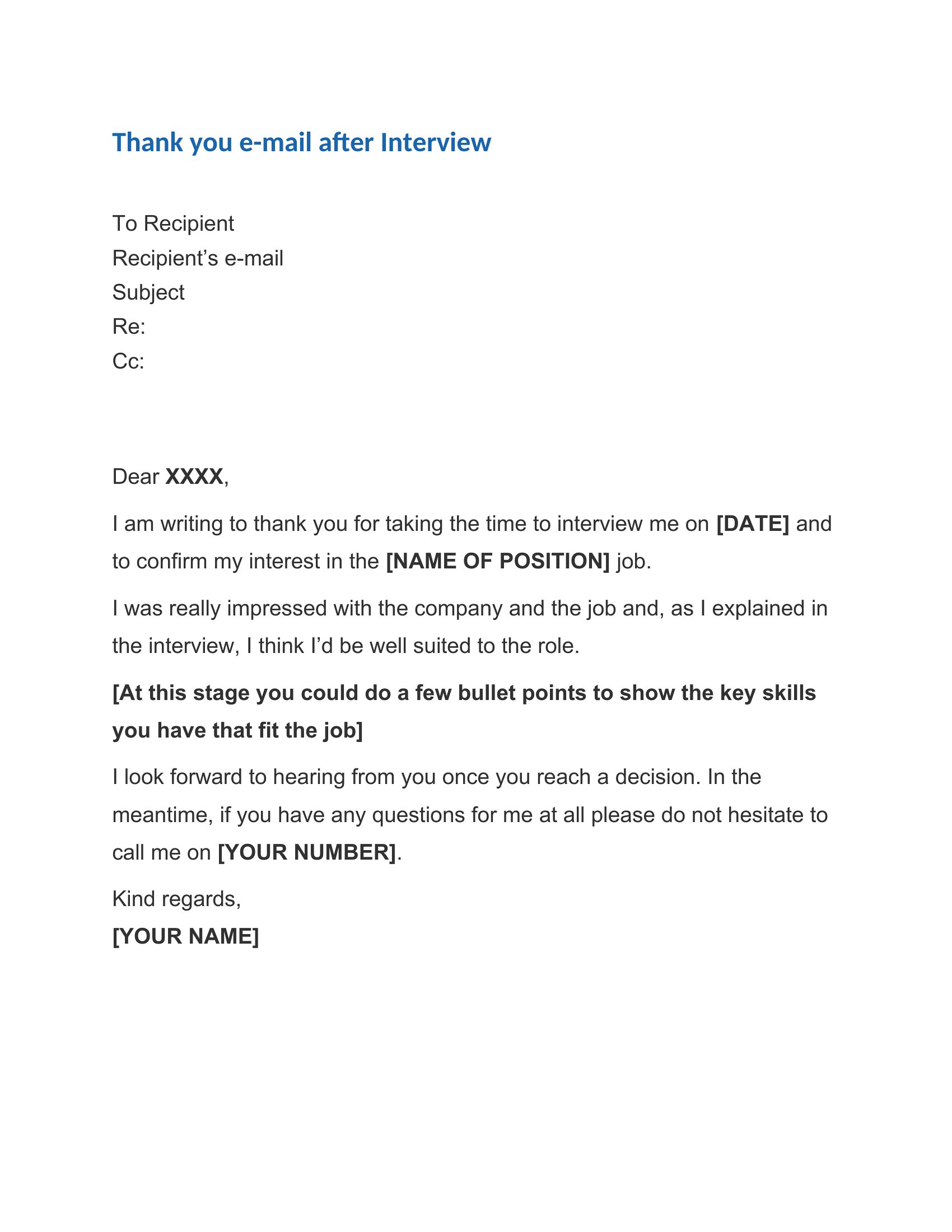
Before diving into specific templates, let's outline the key elements that should be included in any thank you email. A concise, well-structured email is far more effective than a rambling, lengthy one. The primary goal is to express gratitude for the meeting, reiterate key takeaways, and clearly outline next steps. Here's a breakdown of essential components:
- Subject Line: A clear and concise subject line is critical. Examples include: "Thank You – [Meeting Topic] Meeting" or "Following Up on [Meeting Topic] Meeting."
- Personalized Greeting: Start with a personalized greeting, addressing the recipient by name. "Dear [Name]," is always a safe and appropriate choice.
- Express Gratitude: Begin by expressing your gratitude for the opportunity to meet and for the discussion. "Thank you for taking the time to meet with me today to discuss [Meeting Topic]."
- Summarize Key Takeaways: Briefly recap the main points discussed during the meeting. This demonstrates that you were actively listening and retained the information. "As we discussed, [Key Takeaway 1] and [Key Takeaway 2]. I particularly appreciated your insights on [Specific Point]."
- Outline Next Steps: Clearly state the next steps you've agreed upon. "As a result of our discussion, I will [Action 1] and [Action 2]. I'll be following up with [Contact Person] by [Date] to ensure we're on track."
- Offer Further Assistance: Reiterate your willingness to help and provide additional information. "Please don't hesitate to reach out if you have any further questions or require additional information."
- Professional Closing: End with a professional closing, such as "Sincerely," "Best regards," or "Best," followed by your name.
Different Types of Thank You Emails – Tailored to the Situation
The tone and content of your thank you email can vary depending on the context of the meeting and your relationship with the recipient. Here are a few examples:
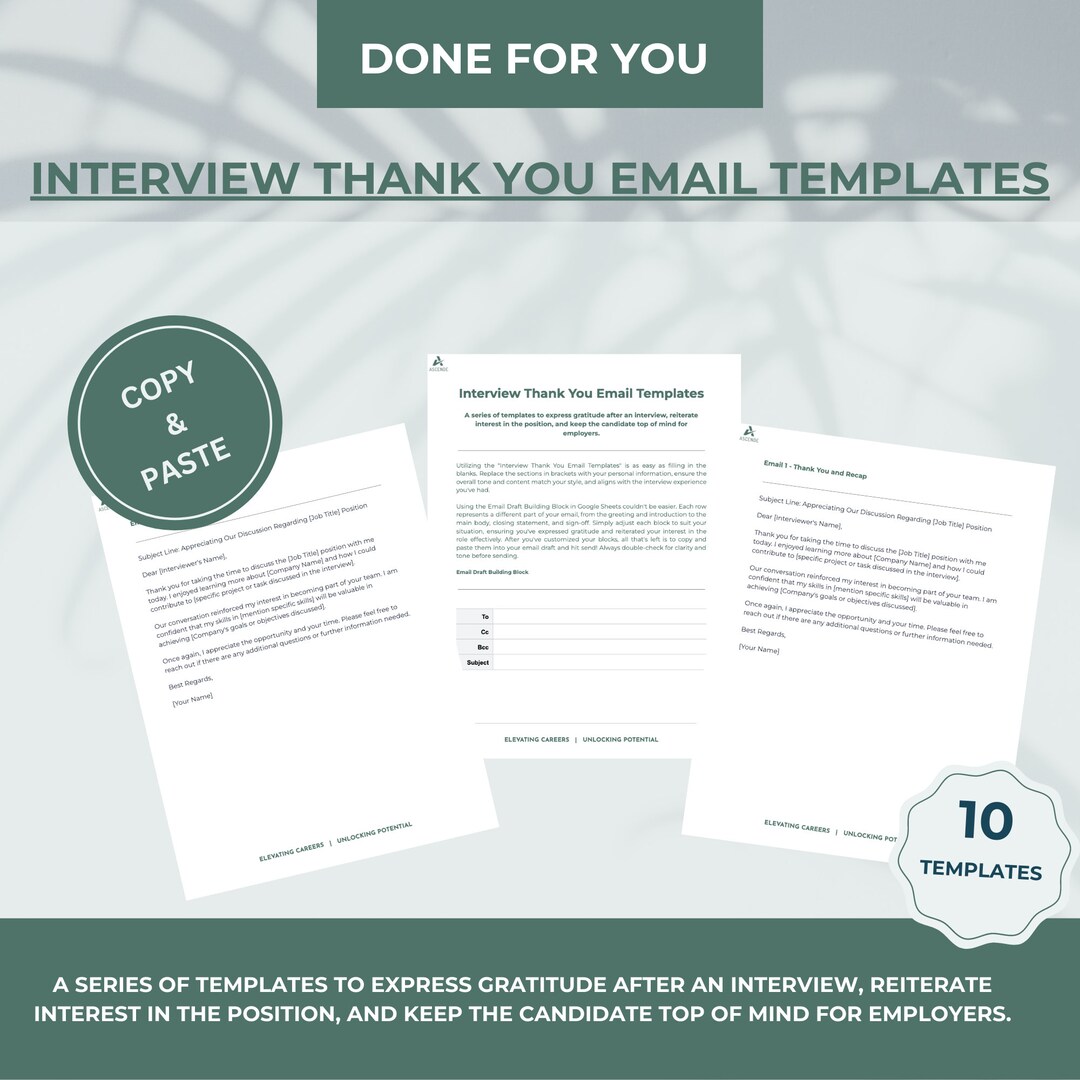
1. Formal Thank You Email (For Senior Leaders or Clients)
This email is appropriate for meetings with senior executives or clients where a more formal tone is expected. It should be concise, professional, and focused on demonstrating respect and commitment.
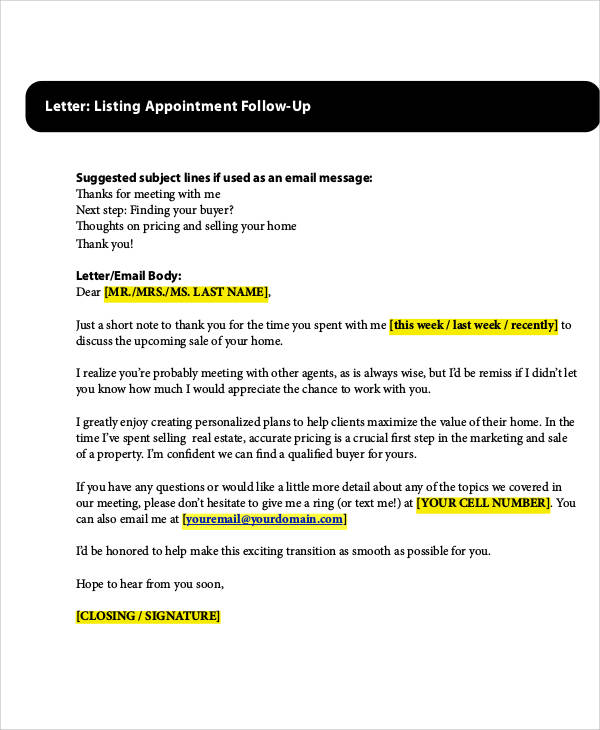
"Dear Mr./Ms. [Last Name],
Thank you for the opportunity to meet with you today to discuss [Meeting Topic]. I greatly appreciated the opportunity to learn more about [Company/Project] and your perspective on [Specific Challenge].
I found our conversation particularly insightful regarding [Specific Point]. I am committed to working collaboratively to achieve [Desired Outcome]. As a result of our discussion, I will be [Action 1] and [Action 2] by [Date]. I will also be scheduling a brief follow-up call with [Contact Person] to ensure alignment.
Thank you again for your time and consideration.
Sincerely,
[Your Name]"
2. Informal Thank You Email (For Colleagues or Team Members)
This email is suitable for colleagues or team members with whom you have a more relaxed relationship. It's a chance to express appreciation and reinforce team collaboration.
"Hi [Name],
Just wanted to send a quick thank you for meeting with me today to discuss [Meeting Topic]. It was great to connect and learn about [Specific Point]. I really appreciate your insights!
I'm looking forward to [Next Step/Collaboration]. Let me know if you need anything from me.
Best,
[Your Name]"
3. Thank You Email Following a Complex Discussion
If the meeting involved a particularly complex or challenging topic, a more detailed thank you email is warranted. This demonstrates that you were attentive and actively engaged in the discussion.
"Dear [Name],
Thank you again for taking the time to discuss [Meeting Topic] with me today. I appreciate your thorough explanation of [Specific Aspect] and your willingness to share your expertise. It was a valuable conversation, and I found your insights particularly helpful in understanding [Specific Challenge].
I'm particularly interested in exploring [Specific Next Step] further. I'll be following up with [Contact Person] by [Date] to discuss next steps. Thank you for your time and commitment to this important matter.
Sincerely,
[Your Name]"
4. Thank You Email Following a Proposal Presentation
If you presented a proposal, a thank you email is essential.
"Dear [Name],
Thank you for the opportunity to present our proposal for [Project/Service] today. I truly appreciate your time and the valuable feedback you provided.
We were particularly pleased with your comments on [Specific Aspect of Proposal] and believe your insights will be instrumental in securing approval. As a result of your feedback, we will be [Action taken based on feedback].
We are excited about the potential of this collaboration and look forward to moving forward.
Best regards,
[Your Name]"
5. Thank You Email Following a Networking Event
This email is appropriate for networking events where you met with several individuals.
"Dear [Name],
Thank you so much for taking the time to connect with me at the [Event Name] networking event today. I enjoyed learning about your work in [Industry/Area] and your perspective on [Specific Topic].
I particularly appreciated your insights on [Specific Point]. I'm eager to explore potential opportunities for collaboration and would welcome the chance to connect further. I'll be sending you a follow-up email with some additional information about [Your Company/Project].
Best regards,
[Your Name]"
Conclusion
Crafting a thoughtful and well-written thank you email is a fundamental skill for building strong relationships and fostering positive professional interactions. By following the guidelines outlined in this article, you can ensure that your thank you emails are effective, professional, and leave a lasting positive impression. Remember, a sincere expression of gratitude can go a long way in strengthening your connections and achieving your professional goals. Consistent and thoughtful thank you emails are a powerful tool for cultivating trust and maintaining valuable relationships. Investing the time to craft these emails demonstrates respect and professionalism, contributing significantly to a positive and productive work environment.
0 Response to "Thank You Email Template After Meeting"
Posting Komentar