
Creating engaging flyers is crucial for promoting events and connecting with your community. A well-designed flyer can significantly boost attendance and participation. This guide will explore the essential elements of creating effective community event flyers, focusing on the vital role of a robust template. Community Event Flyer Template is more than just a design; it's a tool for communication, outreach, and ultimately, success. Whether you're organizing a local festival, a charity fundraiser, a neighborhood block party, or a sporting event, a professional-looking flyer can make a lasting impression. Let's dive into the key components and how to craft a template that truly resonates with your audience.
Understanding the Importance of Community Event Flyers
The modern world is increasingly reliant on digital communication, but face-to-face interaction remains a powerful force in building community. Flyers are a cost-effective and readily accessible way to disseminate information, especially to those who may not be active online. They offer a tangible way to announce events, share details, and encourage participation. A thoughtfully designed flyer can be a significant driver of attendance, fostering a sense of belonging and excitement around the event. Consider the impact of a flyer on a small, local event – it can be the difference between a quiet gathering and a vibrant celebration. Furthermore, a well-executed flyer can act as a visual marketing tool, reinforcing your event's branding and message. It's an investment in community engagement and a powerful way to promote positive events.
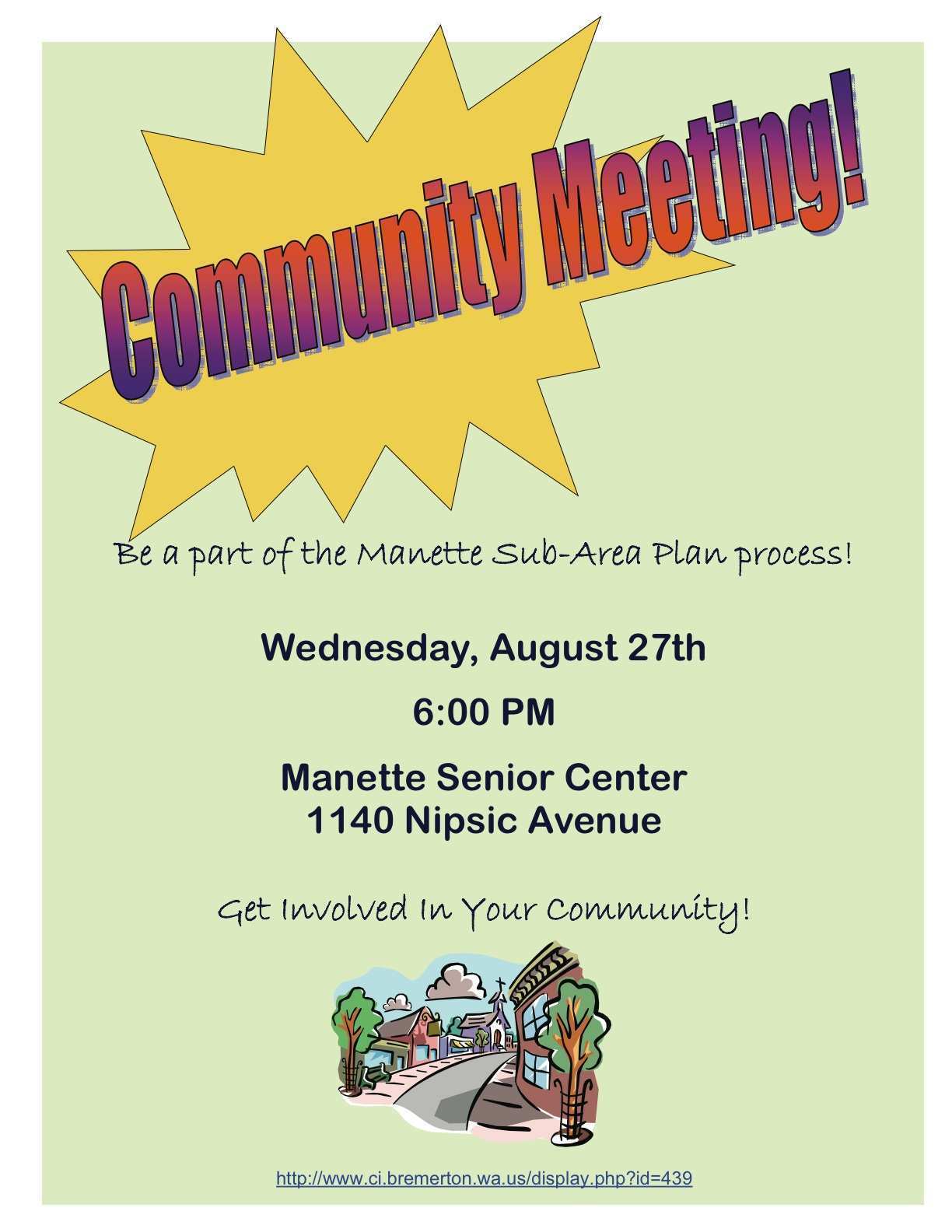
Core Elements of a Successful Community Event Flyer Template
A successful community event flyer template needs to be visually appealing, informative, and easy to read. Here's a breakdown of the essential elements:
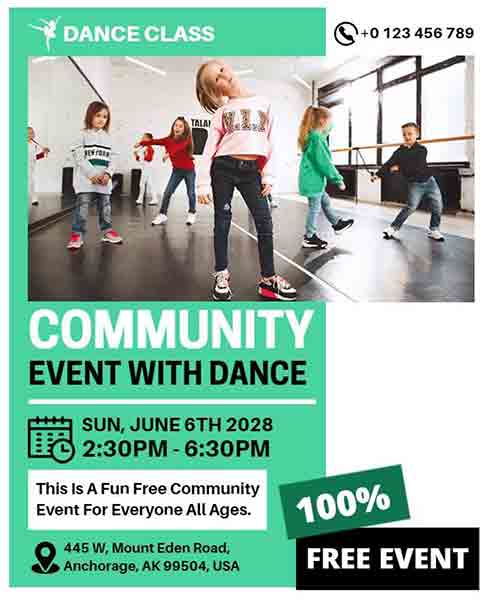
1. Visual Hierarchy – Guiding the Eye
The first thing people see is the flyer's layout. A clear visual hierarchy – using size, color, and placement – guides the viewer's eye through the information. The most important details, such as the event name and date, should be prominently displayed. Use larger fonts and strategic placement to draw attention to key elements. Consider incorporating high-quality images or graphics to enhance visual appeal. Whitespace is your friend – don't overcrowd the flyer with too much text or imagery.
2. Event Details – The Heart of the Flyer
This section should clearly outline the essential details of the event. Include:
- Event Name: Make it catchy and memorable.
- Date and Time: Clearly state the date and time of the event.
- Location: Provide the full address.
- Brief Description: A concise overview of what the event is about. What will attendees experience?
- Contact Information: Include a phone number or email address for inquiries.
3. Call to Action – Encourage Participation
A strong call to action is crucial for driving attendance. Encourage people to register, buy tickets, or simply attend. Examples include:
- "Register Now!"
- "Get Your Tickets Today!"
- "Join the Fun!"
- "Don't Miss Out!"
4. Branding – Consistent Messaging
Your flyer should reflect your event's branding. Use your organization's logo, colors, and fonts consistently. This reinforces brand recognition and creates a cohesive look. A consistent color scheme can also help to make your flyer more memorable.
Template Design Considerations – Building Blocks for Success
Several design principles can significantly enhance the effectiveness of your flyer template.
5. Color Palette – Creating a Mood
Choose a color palette that is visually appealing and appropriate for the event. Consider using colors that evoke the desired emotions – excitement, joy, or relaxation. Ensure sufficient contrast between text and background for readability. A limited color palette (3-4 colors) is often more effective than a complex one.
6. Typography – Choosing the Right Fonts
Select fonts that are legible and complement the overall design. Use a maximum of two or three fonts. Ensure that the font sizes are appropriate for readability. Consider using different font weights (bold, regular, light) to create visual interest. Avoid overly decorative or script fonts for essential information.
7. Imagery – Visual Storytelling
Images can significantly enhance the impact of your flyer. Use high-quality photos or illustrations that are relevant to the event. If using stock photos, ensure they are properly licensed. Consider using images that evoke the event's atmosphere or highlight key activities. Remember to optimize images for web use to ensure fast loading times.
Template Examples – Inspiration and Ideas
Numerous online resources offer template examples. Here are a few to get you started:
- Canva: https://www.canva.com/ – Offers a wide range of templates and design tools.
- Adobe Express: https://www.adobe.com/express/ – Provides templates and design elements.
- Microsoft Word: Utilize the built-in flyer templates.
Tailoring Your Flyer to Your Audience
Remember that a successful flyer isn't a one-size-fits-all solution. It's crucial to tailor your design and messaging to your specific target audience. Consider the demographics of your community, their interests, and their preferred communication channels. For example, a flyer targeting families might feature images of children and emphasize family-friendly activities. A flyer aimed at young adults might prioritize social media integration and use a more modern design aesthetic.
Distribution and Promotion – Getting Your Flyer Seen
Once your flyer is designed and printed, it's important to distribute it effectively. Consider these options:
- Local Businesses: Partner with local businesses to display flyers in their establishments.
- Community Centers: Distribute flyers at community centers and libraries.
- Social Media: Share your flyer on social media platforms.
- Email Marketing: Send the flyer to your email list.
- Print Media: Consider placing flyers in local newspapers or magazines.
Conclusion – The Power of a Well-Designed Flyer
Creating a compelling community event flyer template is an investment that pays dividends. By focusing on clear communication, visually appealing design, and strategic distribution, you can effectively promote your events and foster a strong sense of community. The Community Event Flyer Template is a fundamental tool for success, and with careful planning and execution, it can significantly enhance your event's visibility and participation. Remember to consistently analyze your flyer's performance – track metrics like downloads and attendance – to refine your design and messaging for future events. Ultimately, a thoughtfully designed flyer is a powerful ambassador for your community.
0 Response to "Community Event Flyer Template"
Posting Komentar