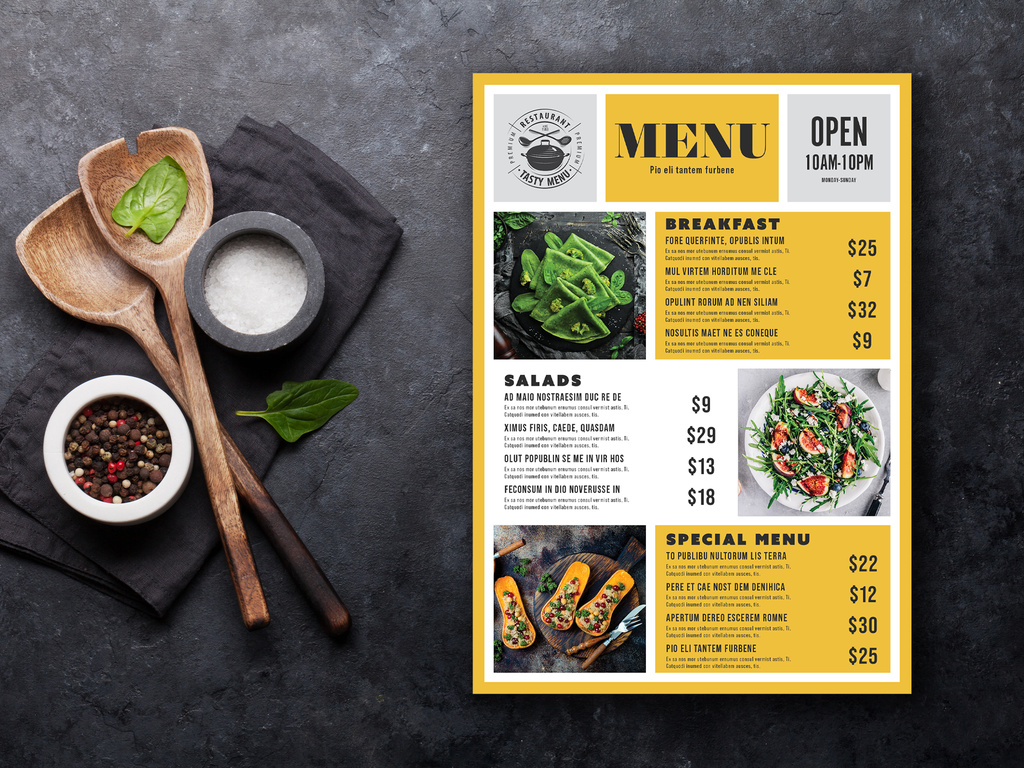
Indesign, a powerful vector graphics editor, has become an indispensable tool for graphic designers, marketers, and anyone who needs to create visually stunning layouts. However, navigating the complexities of Indesign can be daunting, especially when it comes to creating professional-looking menus. This article will provide a comprehensive guide to using Indesign's menu template feature, specifically focusing on how to create and customize menus that are both visually appealing and functionally effective. Understanding how to leverage this feature is crucial for streamlining your design workflow and ensuring your menus are consistently polished. Menu Template Indesign Free is more than just a tool; it's a key component of creating a cohesive and professional brand identity. Let's dive in.
Understanding the Importance of Menu Templates
Before we delve into the specifics, it's important to understand why menu templates are so valuable. They offer a structured approach to menu design, reducing the time and effort required to create consistent and visually appealing layouts. Without a template, you're essentially starting from scratch each time, which can lead to inconsistencies and wasted time. Using a template ensures that your menus adhere to a specific style guide, maintaining brand consistency across all your materials. Furthermore, templates allow you to quickly adapt to changing requirements, such as new product offerings or website updates. The ability to easily modify a template is a significant advantage for designers and marketers. Menu Template Indesign Free empowers you to achieve this level of control and efficiency.
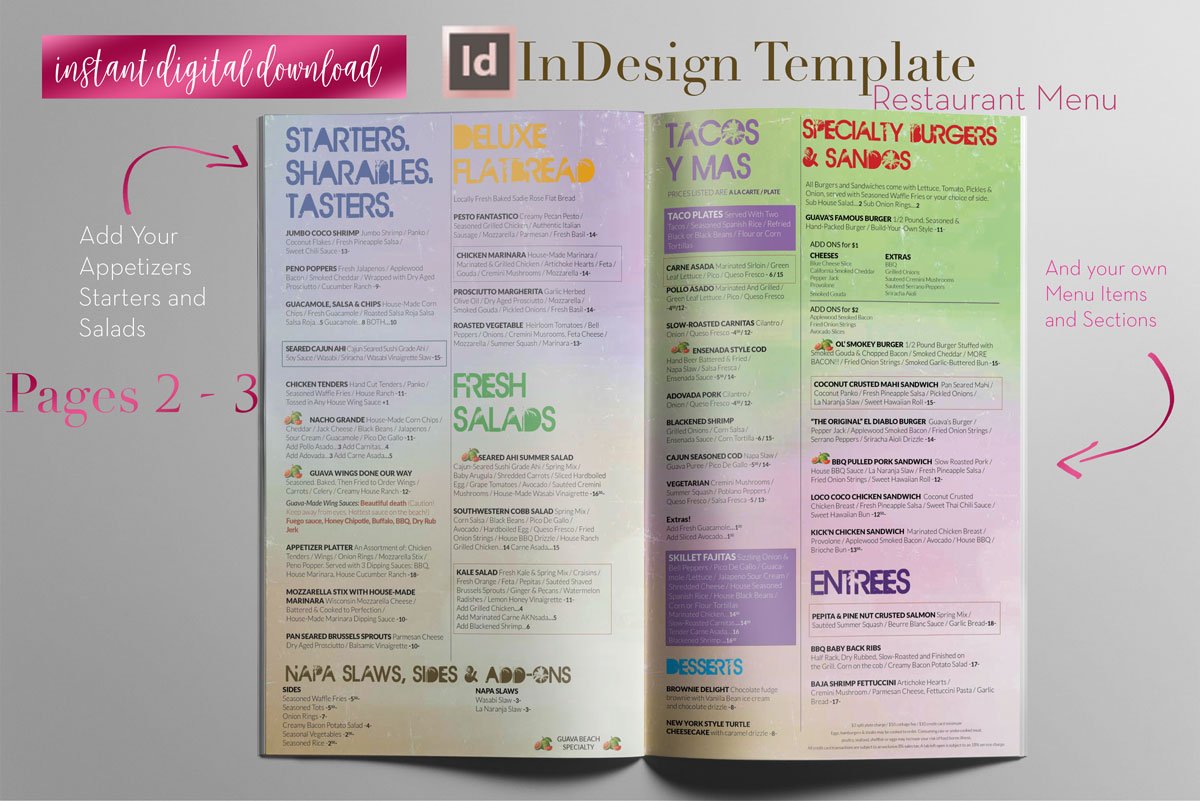
The Core Components of an Indesign Menu Template
A well-designed Indesign menu template typically includes several key elements. These elements work together to create a clear and intuitive navigation system. The most important components are:
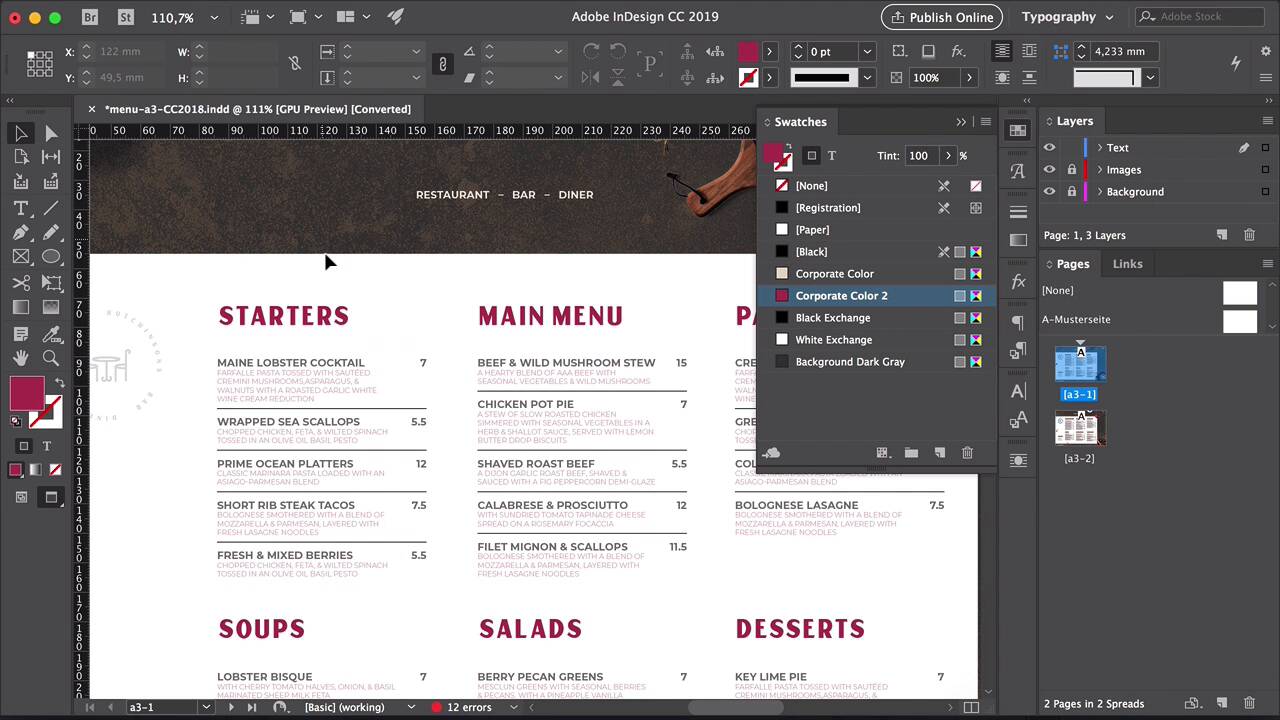
- Menu Items: These are the individual options users can select from. They should be clearly labeled and easy to understand.
- Menu Categories: These groups organize the menu items into logical sections. Categorization helps users quickly find what they're looking for.
- Navigation Links: These links connect the menu items to the corresponding pages or sections within your document.
- Page Numbers: Essential for navigating through complex layouts.
- Styling: This includes font choices, colors, and spacing, which contribute to the overall visual appeal of the menu.
Creating Your First Indesign Menu Template
Let's walk through the process of creating a basic menu template. First, open Indesign and create a new document. Then, go to File > New. Choose a suitable template – a simple, rectangular layout is a good starting point. Next, select the Menu tab. Here, you'll find the tools to create and customize your menu.
Building Your Menu Structure
- Adding Menu Items: Click on the
+button in theMenutab. This will open a dialog box where you can add new menu items. Type the name of the item you want to add. You can also assign a category to the item. - Categorization: Organize your menu items into categories. Click on the
+button again to add a new category. You can then drag and drop items into the appropriate category. Consider using a hierarchical structure – for example, you might have a "Products" category, then a subcategory for "Electronics," and so on. - Styling: Once you've added your menu items, you can style them. Select an item and then use the
Styletab to change the font, color, and spacing. Experiment with different styles to find what works best for your brand. Consider using a consistent color palette throughout the template. - Navigation Links: Create navigation links to connect the menu items to the corresponding pages. Click on the
+button again and selectLink. Enter the page number or section name. You can also add a brief description to the link.
Advanced Menu Template Techniques
Once you have a basic menu template, you can explore more advanced techniques to enhance its functionality and visual appeal.
- Using Styles: Indesign's styles system is incredibly powerful. You can create a master style that defines the overall look and feel of your menu, and then apply that style to all your menu items. This ensures consistency across your entire document.
- Grouping: Group related menu items together to create a more logical and intuitive navigation system. For example, you might group all the "Electronics" items together.
- Conditional Formatting: Use conditional formatting to highlight certain menu items based on their category or status. This can be useful for creating a dynamic and informative menu.
- Using the "Menu" Panel: The
Menupanel is a powerful tool for creating and managing your menu. It allows you to easily add, remove, and edit menu items. It also provides a visual representation of your menu structure.
Leveraging the "Menu Template" Feature
Indesign's Menu Template feature is a fantastic way to streamline your design process. It allows you to quickly create a reusable menu that can be applied to a wide range of documents. The key benefit is that you don't have to start from scratch each time you need a new menu. This saves time and ensures consistency. Menu Template Indesign Free is a valuable asset for any designer or marketer.
Best Practices for Menu Templates
- Keep it Simple: Avoid overly complex menus with too many options. A simple, well-organized menu is more effective than a cluttered one.
- Use Clear Labels: Ensure that all menu items are clearly labeled and easy to understand.
- Maintain Consistency: Use a consistent style throughout your menu.
- Test Your Templates: Before using a template on a large project, test it thoroughly to ensure that it works as expected.
- Update Regularly: As your business or website evolves, update your menu templates to reflect these changes.
Conclusion
Creating a professional-looking menu is an essential part of any successful design project. Indesign's menu template feature provides a powerful and efficient way to create consistent and visually appealing menus. By understanding the core components of a menu template, utilizing advanced techniques, and following best practices, you can significantly improve your design workflow and ensure that your menus are always ready to use. Menu Template Indesign Free is a valuable investment for anyone who values efficiency and quality in their design work. Ultimately, a well-designed menu is a key element of a successful brand identity.
0 Response to "Menu Template Indesign Free"
Posting Komentar